
|
|
CULTURAL PROGRAMS |
|
|
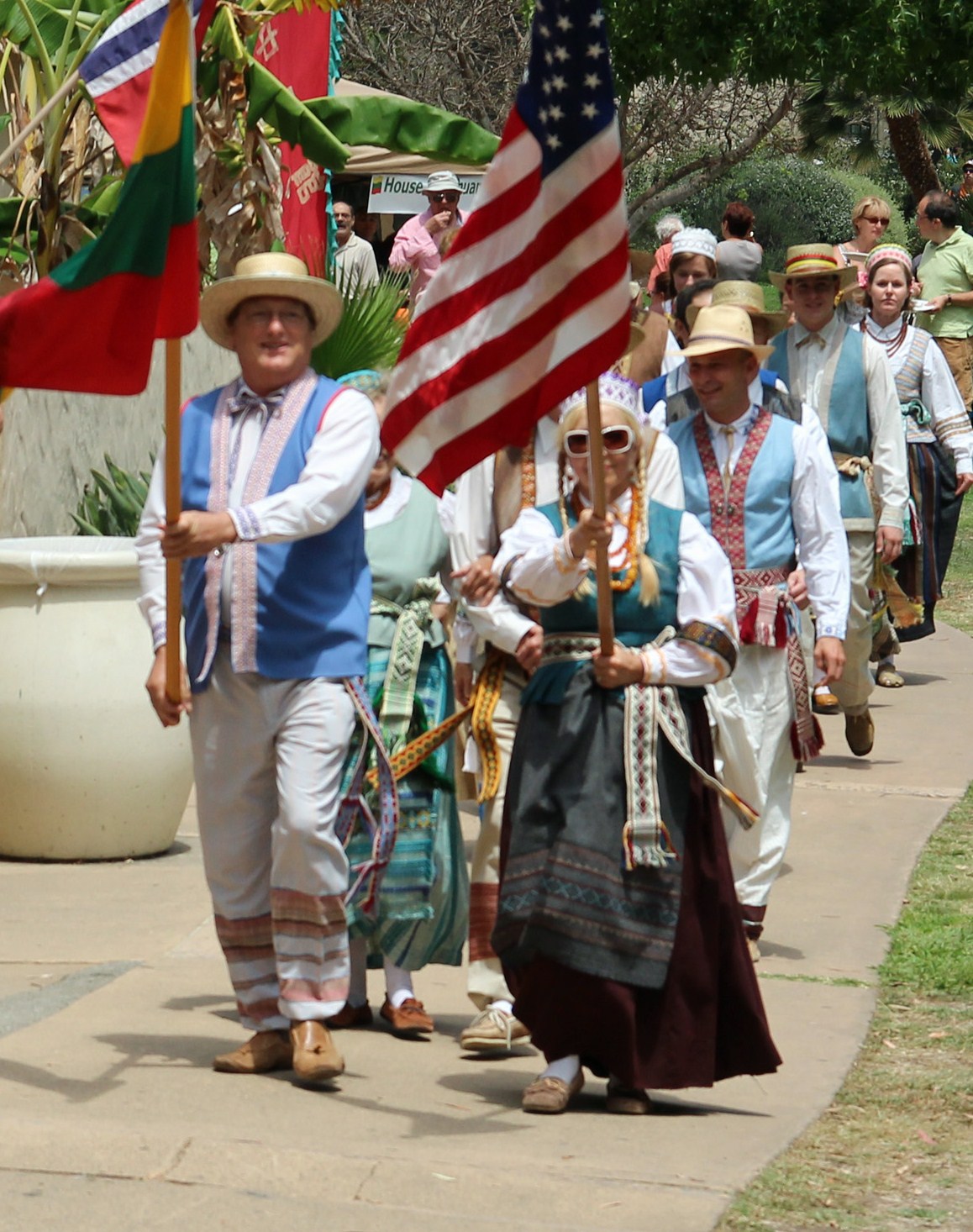
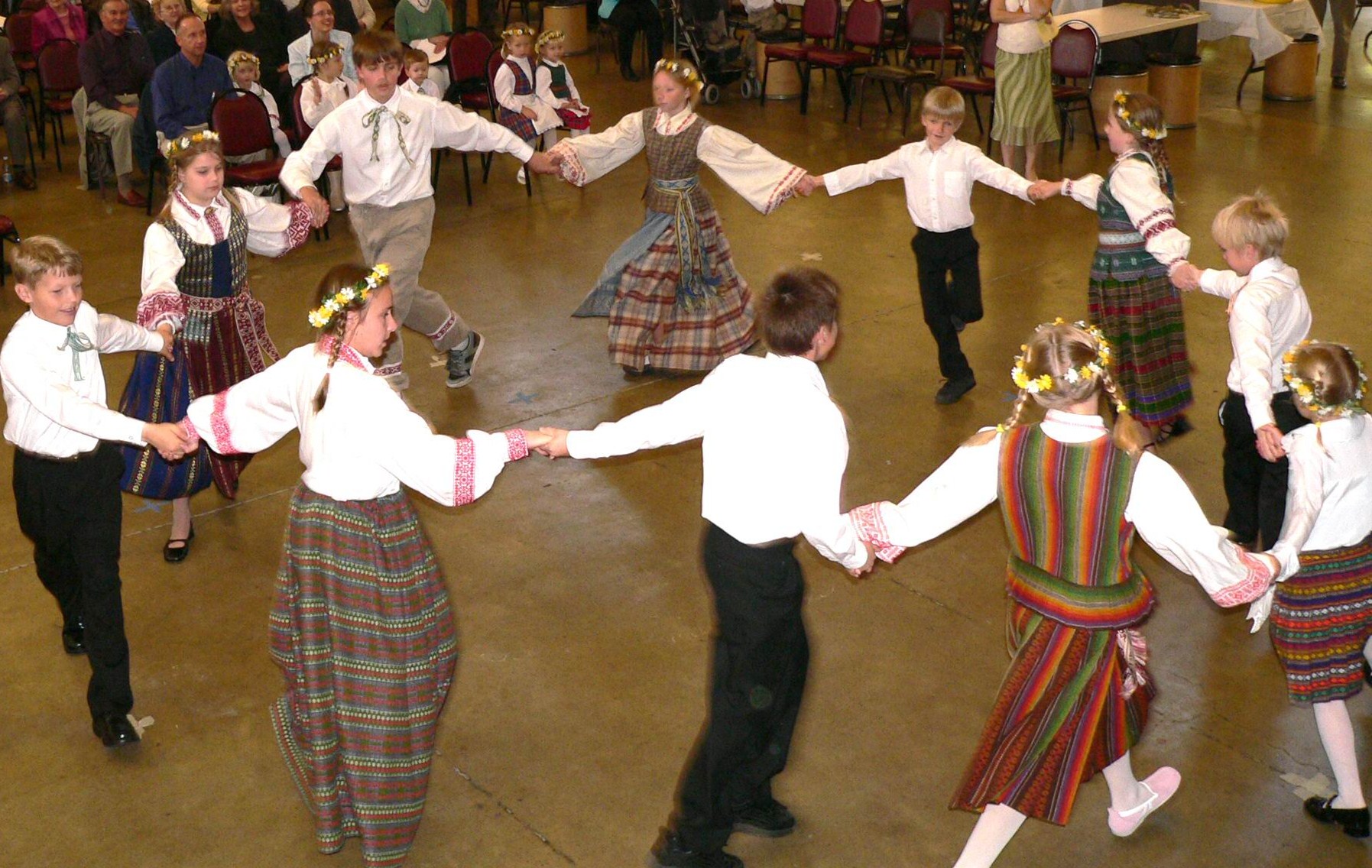
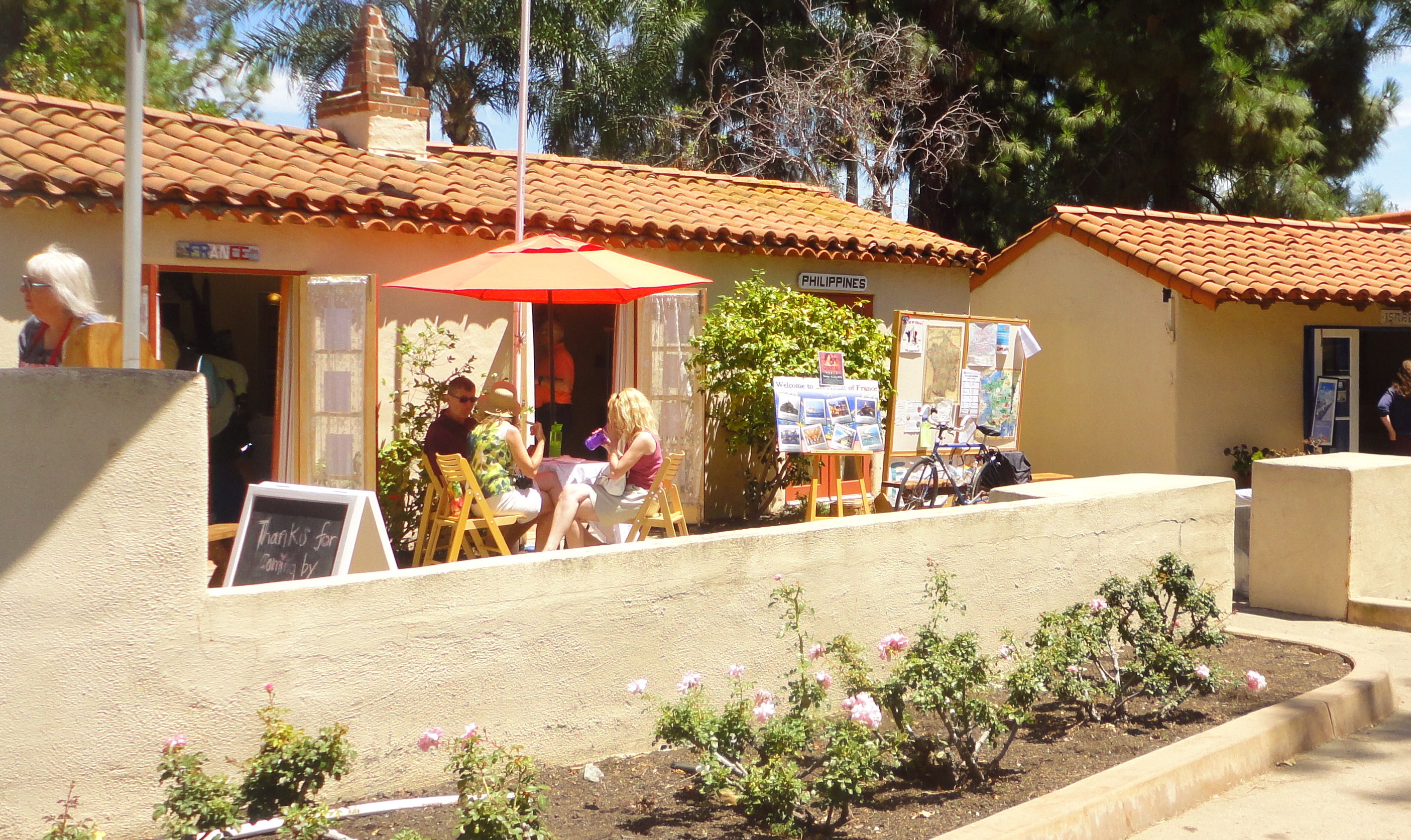
Historical Background of House of Lithuania (HoL): In 1946 Lithuanian American war veterans returning from the wars in Europe and the Pacific started a social club in San Diego, CA. In 1974 the members of the club voted to join the House of Pacific Relations (HPR). They were admitted as a Affiliate AMembers of HPR, and thus became the House of Lithuania - where they have been active participants ever since that time. Membership is composed of individuals who are of Lithuanian descent by birth, heritage, marriage, and or friendship. All individuals, of all nationalities, are eligible to join, abiding by the bylaws of HOL, HOR, and the City of San Diego. HOL is a not-for-profit organization and donations are always welcome. Information on membership and events is available on our website: http://www.houseoflithuania.org. Hall of Nations: Several times a year on a Sunday, the House of Lithuania presents video programs and other displays in the Hall of Nations from 12 noon to 4 PM. Lithuanian arts, crafts, books, literature, and the collection of beautiful amber jewelry are all on display. The Baltic countries, including Lithuania are famous for their amber harvesting and collecting from the Baltic Sea. Amber has been traded in the Baltics since the Roman times.8:05 PM 8/3/2015 | ||
|
|
CULTURAL EVENTS |
|
|
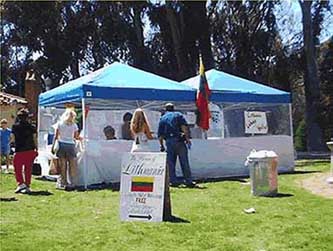
Lawn Program: Ethnic Food Fair: Titus Samys, founding president of the House of Lithuania, first proposed the Ethnic Food Fair when he
was the president of the House of Pacific Relations (1980 & 1981). This Ethnic Food Fair alllows many countries to offer their traditional
foods for enjoyable tasting. The food that you may find at the House of Lithuania can be sausages, with Lithuanian style sauerkraut,
kugelis (potato pudding), cold Lithuanian beet soup, ice cream and cold drinks.
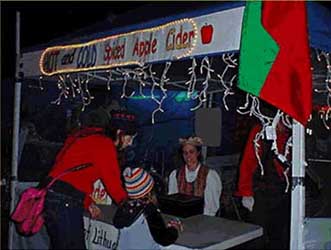
International Christmas Festival (part of December Nights): The feature presentation is hot apple cider and a variety of special cookies, to enjoy the Christmas time Holiday nights in Balboa Park. | ||
|
|
FUTURE PLANS |
|
|
The House of Lithuania relies on all its members to participate in all of the cultural avents that are sponsered by HPR and to bring their talents and skills to promote a greater knowledge and understanding of Lithuania and its people. We encourage all the members to demonstrate the unity that exist between all the nations in Balboa Park. Our future goal is to have many more new members and also to acquire a cottage of our own, so that we can continue and improve our participation activities in the House of Pacific Relations. | ||
|
HISTORICAL NOTES | |
|
Brief History of Lithuania: The birth of Lithuania as a European nation is celebrated on July 6th. This day marks the anniversary
celebration when their lands were united by their first and only king, King Mindaugas, in 1236. For the next nearly 800 years, Lithuania
experienced many ups and downs in their history - going from one of the largest territories in Europe to one of the smallest. However, in
1990, having regained their independence from the Soviet Union, they have established a successful and a fully functional democratic
country in Europe. Lithuania today is a member of NATO, as well as the European Union. Lithuania's former ambassador to the U. S. is presently
serving as the EU Ambassaddor to Russia, representing all the 28 members of the European Union. More extensive information is provided
on our website.
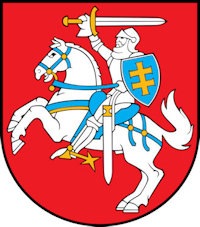
Vytis: This Lithuanian national emblem was created to commemorate the crowning of King Mindaugas in 1236 and also served as a
coat of arms of the military leaders - as depicted on the left side.
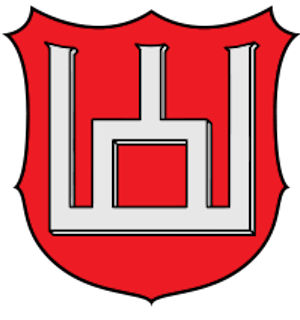
Gedimino Stulpal: The Pillars of Gediminas is the symbol of the family of rulers of the Grand Duchy of Lithuania. Grand Duke Gedimdinas was the founder of the city of Vilnius in the 14th century - Vlius is the present day Capital of Lithuania. Vilnius was once called the “Jerusalem of the North” because it harbored a great center of Jewish learning and culture, Israel and Lithuania have reopened their embassies as of 2015, and are restructuring their mutual interests and cooperation. | ||
|
|
MAPS, PICTURES AND STATISTICS OF LITHUANIA | |
|
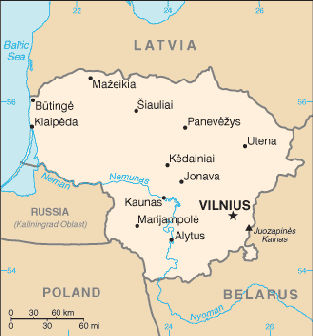
Land Area: 65,200 sq km
Source: The World Factbook - Lithuania |
||