


xxxx1 |
CULTURAL PROGRAMS | |
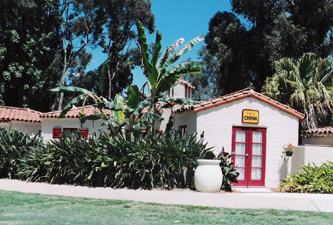
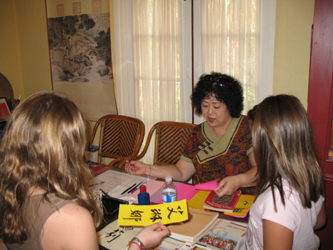
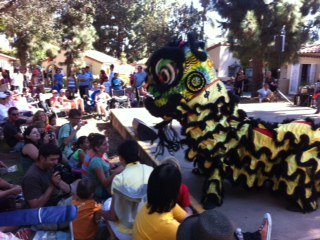
The House of China is open every Saturday & Sunday for 5 hours between 11:00 & 5:00 pm. Refreshments are served. Each guest receives their own name in Chinese characters as a souvenir. Travel and culture pamphlets may be picked up free of charge. Various displays, exhibits and furnishings maybe viewed inside the cottage. |
||
| |
||
|
CULTURAL EVENTS |
|
Lawn Program:
Foods served: Festivals Outside the HPR House: |
||
 |
CHILDREN'S PROGRAMS |
|
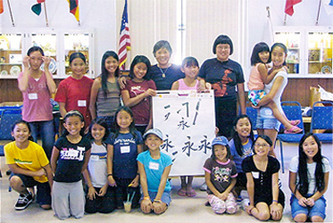
Scholarship Program: It takes place at local Restaurants, the dates vary and are announced in advance. The contest awards attractive cash prices for first, second and third places. It has to be written in Chinese and the subjects usually cover cultural and historical events. |
||
|
HISTORICAL NOTES |
|
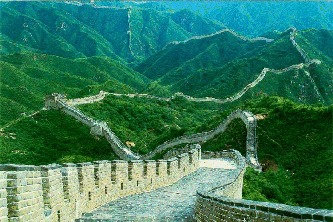
For much of the past 2000 years China has been the driving force in Asia. The continent’s largest country is the most populous in the world, home to one in five of all people. Chinese technology was the most advanced in those early years and attracted and astonished Marco Polo, who arrived in 1275. Modern history began in 1911 when a republican form of government replaced the Manchu Imperial dynasty. Dr. Sun Yet Sen was the founder of the Republic. Dignity was regained in
the hearts of the Chinese people after decades of colonial interference in China’s internal affairs and the Imperial Governments inabilities to govern. Today’s China is dynamic in many areas. History of the House: |
||
 |
FUTURE PLANS |
|
The House of China has plans to bring professional entertainers from China to San Diego. They are looking for groups who will be acrobats and dancers. | ||
|
|
COUNTRY INFORMATION |
|
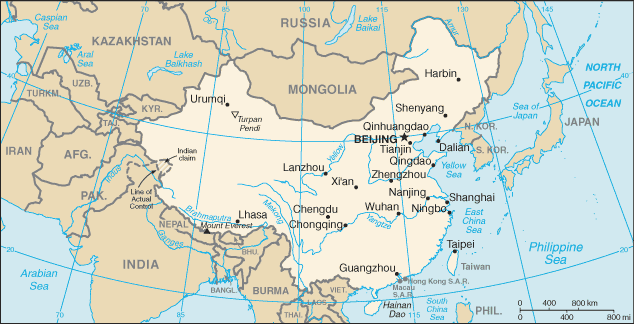
Land Area: 9,326,410 sq km Click map for larger view Source: The World Factbook - China |
||

©Copyright 2007-08, House of Pacific Relations International Cottages, Inc. All rights reserved.